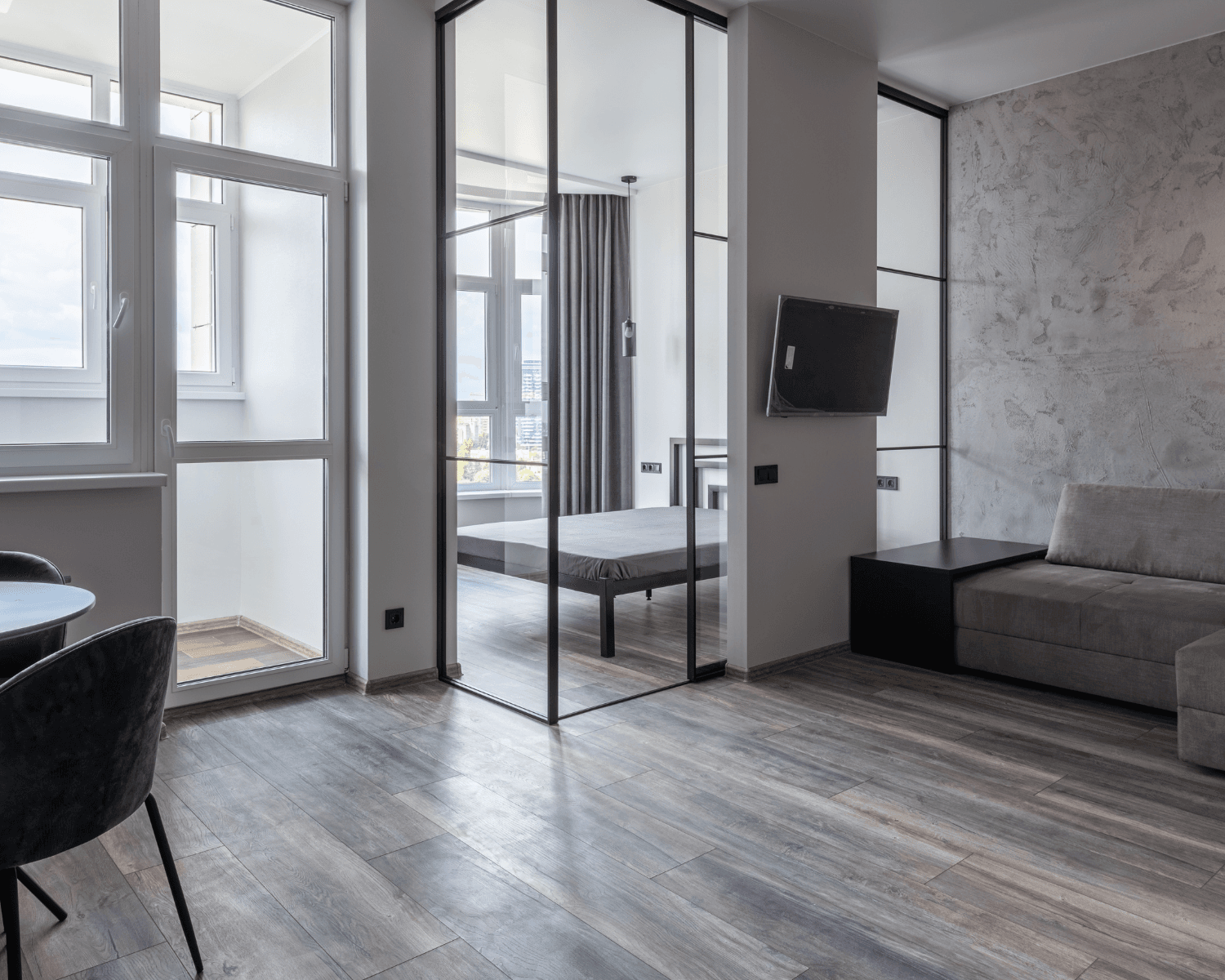
A lot of Aiken homes have hardwood hiding under carpet that someone installed in the 1970s or 80s. When that carpet comes up and the original pine, oak, or heart pine is still intact, it's a revelation, but also a maintenance commitment. And the homes that have always had exposed hardwood? After a decade of foot traffic, dog nails, furniture scuffs, and the wrong mop products applied weekly, the floor looks nothing like it did when the finish was fresh.
We clean hardwood floors with a residue-free, pH-neutral process that removes accumulated grime without soaking the wood or leaving film behind. No steam. No bucket of soapy water. No products that promise "shine" by coating the floor in a layer that yellows over time and attracts more dirt. We remove what's on the finish. We don't add to it.
What this service does and doesn't do
It is: A deep cleaning that removes surface buildup, embedded grit, product residue, and everyday grime.
It isn't: A refinish. If the finish is worn through to bare wood or water-damaged with black staining, that's a refinishing contractor's job. We'll tell you.
The surprise: Many homeowners who think they need a refinish actually need a cleaning. The "worn" look is often mop product residue, body oils, and embedded grit sitting on top of intact finish. Remove that layer and the floor improves dramatically, without $3 to $5 per square foot for refinishing.
Why Aiken hardwood needs specific attention
Red clay grit. Fine clay particles get pressed into the finish coating with every footstep, creating micro-scratches that dull the sheen. Professional cleaning removes those particles and stops ongoing abrasion damage.
Sandy horse-district roads. Homes near Hitchcock Woods, training facilities, and unpaved farm roads deal with constant fine sand. Sand is harder than polyurethane finish, and every grain walked on is a scratch waiting to happen.
Humidity-related expansion. Summer's 80%+ humidity swells boards; winter contracts them. Cleaning methods that introduce excess water into those gaps cause cupping, warping, or mold. Our low-moisture method avoids this.
Product buildup. Years of "hardwood floor spray" leave micro-layers of film that build to a visible haze. The floor looks old when it's actually coated in product residue. Our cleaning removes that buildup.
The 6-step hardwood floor cleaning process
1. Wood type and finish identification
We determine what we're working with: solid hardwood, engineered planks, or laminate. Most Aiken floors are polyurethane-coated, but some older homes have shellac, lacquer, or wax finishes that need completely different treatment. We inspect for soft spots, water damage, and finish wear-through. If something needs more than cleaning, we say so before charging.
2. Thorough grit removal
All the fine sand, clay particles, pet hair, and dust get removed before any moisture touches the floor. We vacuum with soft-bristle attachments, then detail the edges along baseboards and corners where grit accumulates heaviest. The baseboard perimeter makes a bigger visual difference than people expect.
3. Controlled-moisture deep cleaning
We apply a pH-neutral solution as a light, controlled mist, never pooled, never enough to seep between planks. Soft microfiber pads lift grime without scratching. Zero water sits on the floor at any point. The surface is barely damp during cleaning and dry within minutes, eliminating the cupping and mold risks of steam mops or wet mopping.
4. Buildup and residue removal
Specific attention to areas where product film or heavy soil has accumulated: the kitchen floor in front of the sink, the hallway traffic lane, the entry where shoes pile up. Years of spray-mop residue can build a tacky layer that holds new dirt like glue. Scuff marks from shoes and chair casters also get treated. Surface scuffs that haven't cut through the finish usually lift completely.
5. Dry-buff and optional protection
We dry-buff the floor to restore sheen. No product needed, just mechanical buffing that evens out light reflection. The grain depth and color clarity return because there's nothing between your eyes and the wood.
For aging finishes not yet ready for a full refinish, we can apply a maintenance-grade protective coating that extends the current finish's working life by a year or two.
6. Final walkthrough
We check results with you and note any areas where the finish is wearing thin or where a refinisher should look eventually. If the floor revealed surprises (hidden water damage, soft wood under a rug), we'll mention it.
What kinds of hardwood we clean
Solid oak: most common in Aiken. Heart pine: older homes, often shellac or early polyurethane finish. Engineered hardwood: thinner top layer, same cleaning method. Hickory, maple, cherry: harder species clean predictably. Laminate: not wood, but we clean it. Oil-finished and wax-finished: can't tolerate standard cleaners; tell us in advance. Quick test: polyurethane beads water, oil absorbs slowly, wax absorbs and marks.
Protecting hardwood between cleanings
Felt pads under everything. Every chair leg, every table base. Replace them when they compress. This prevents more scratches than anything else.
Entry mats. Stop grit at the door. A coarse outdoor mat catches the big stuff; a softer indoor mat gets fine particles.
No wet mopping. A barely-damp microfiber mop is the maximum moisture hardwood should see. If you can wring water from the mop head, it's too wet.
Skip the vinegar. The acidity breaks down polyurethane over time. A damp microfiber mop with plain water works better.
Trim dog nails. Long nails on hardwood create scratches with every step.
Professional cleaning annually. Every six months for homes with pets or heavy traffic.
Frequently Asked Questions
Can you clean hardwood that's been under carpet for decades?
Yes. Covered floors often have less wear than expected because the carpet protected them. They typically have dust and sometimes pad residue that needs removal. We'll assess and tell you what cleaning can achieve versus what needs refinishing.
Will this fix scratches in my hardwood?
Surface scratches in the finish become less visible when surrounding grime is removed. Deep scratches through to bare wood are permanent until refinished. We'll show you the difference during inspection.
How long does hardwood cleaning take?
A typical three-bedroom home's hardwood areas take sixty to ninety minutes. Larger homes or floors with heavy buildup take longer. You can walk on the floor immediately. It's barely damp during cleaning and dry within minutes.
Is this safe for my original 1920s heart pine floors?
Yes. We adjust for older finish types and reduce moisture even further on antique floors. The key is knowing what we're working with before we start.
How is this different from steam mopping?
Steam mops force hot moisture between boards. In Aiken's humidity, that moisture doesn't evaporate quickly, creating mold and warping conditions. Our process never introduces enough moisture to reach between boards.
Before you price a refinish
A fair number of Aiken homeowners call us already convinced their floors are past saving, and most of the time the wood under the buildup is fine. Our national hardwood site walks through how to tell whether hardwood needs cleaning or refinishing, with a few tests you can run yourself before you spend refinishing money. Worth ten minutes before you make any calls.
Book hardwood floor cleaning
Call 803-310-3848 or schedule online. We clean hardwood floors across Aiken, North Augusta, and every Aiken County community on our route. Pair it with a carpet cleaning or tile and grout cleaning if you're doing a whole-house reset. If you're not sure what type of floor or finish you have, describe it on the phone and we'll figure it out.